

Managing Fleet Costs
Managing a fleet can be expensive and time-consuming. With the support of Northgate and our extensive fleet products, we can ensure your fleet is running as efficiently as possible keeping you on the road for your customers.
Understanding Fleet Costs
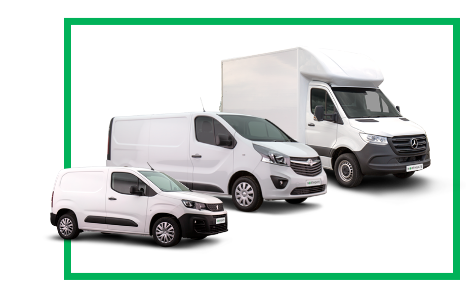
Explore Northgate’s vans for extended commercial rental, featuring various sizes and types as well as commercial electric vehicles for a more sustainable choice.
Find the right fit for business needs with reliability and flexibility in mind.
Check out our long-term commercial hire vans below including crew cab vans, dropside vans and tipper vans as well as specific brands such as Ford, Peugeot, Renault and Mercedes.
Managing fleet costs is about understanding the full cost of running your vehicles and making informed decisions to keep spending under control. Fleet management costs, often referred to as total cost of ownership, include everything from how vehicles are acquired through to fuel, maintenance, insurance and eventual resale. Carrying out regular fleet management cost analysis helps you understand the true fleet management cost per vehicle and identify opportunities for long term fleet management cost savings.
Effective fleet cost management supports safer operations, better planning and stronger financial control. By breaking down the cost of fleet management into fixed and variable areas, you gain clearer insight into where money is being spent and where savings can be made. This approach also helps when setting budgets, forecasting future costs and understanding how to reduce fleet management costs without impacting performance.
Fixed vs. Variable Costs in Fleet Management
Fleet management costs are generally split into fixed and variable costs. Fixed costs remain largely the same regardless of how much a vehicle is used, while variable costs change depending on mileage, driving behaviour and daily activity. Understanding the balance between the two is a key part of fleet management cost analysis.
Tracking both fixed and variable costs allows you to calculate fleet management cost per vehicle more accurately and build a clearer picture of your overall spend. This insight supports cost effective fleet management and helps you make better decisions when looking at how to reduce cost in fleet management over the short and long term.
Fixed Costs
Fixed costs are the predictable expenses that keep your fleet available and compliant. These costs are usually time based rather than usage based and form the foundation of your fleet management cost. Having a clear view of fixed costs is essential when budgeting and planning for long term fleet management cost savings.
Depreciation
Depreciation is one of the largest fixed elements in the cost of fleet management. It reflects the reduction in a vehicle’s value over time and directly affects resale value at the end of its working life. High depreciation can increase fleet management costs and reduce the return on your investment.
By including depreciation in your fleet management cost analysis, you can make more informed decisions around vehicle choice, replacement cycles and disposal timing. Regular maintenance, careful vehicle selection and managing mileage all help slow depreciation and support cost effective fleet management across the fleet lifecycle.
How to Calculate Fleet Depreciation
Depreciation is calculated by taking the fleet acquisition cost, subtracting the resale value and adding any sale expenses. Understanding this figure helps you forecast fleet management cost per vehicle more accurately.
Depreciation = Fleet Acquisition Cost – Resale Value + Sale Expenses.
Financing Costs
How vehicles are funded also has a direct impact on fleet management costs. Different funding options offer different levels of flexibility, control and long term cost exposure.
Hire: Rent vehicles for a contracted time to meet your urgent business needs - particularly useful if you require additional or specialised vehicles temporarily, without committing to long-term purchase or lease.
Buy: Purchasing the vehicle by either paying the full price upfront or via agreed instalments – giving you complete ownership of the vehicle.
Lease: A form of long-term rental that provides businesses with the benefits of using a vehicle without the responsibilities and costs associated with ownership.
Variable Costs
Variable costs change in line with how vehicles are used and how drivers operate them day to day. These costs often make up a large proportion of fleet management costs and offer the greatest opportunity for improvement when looking at how to reduce fleet management costs.
Fuel Costs
Fuel costs are a variable expense that takes up a significant amount of your budget as your vehicles will be on the road for large portions of the workday.
Driver training programs that promote safe driving practices can contribute to reduced fuel consumption. Telematics can be leveraged to reduce fuel consumption through adjusted route planning for optimised journeys.
Maintenance & Repairs
Regular maintenance helps prevent breakdowns, reduce downtime and control repair costs. Planned servicing allows issues to be identified early before they become expensive problems. This proactive approach supports safer vehicles, better compliance and more predictable fleet management costs.
Well maintained vehicles also operate more efficiently, helping reduce fuel use and extend vehicle life. This plays an important role in overall fleet management cost savings.
Driver Related Costs
Driver behaviour has a direct impact on variable fleet management costs. Harsh braking, speeding and aggressive driving increase fuel use and accelerate wear on tyres, brakes and other components. These behaviours also increase the risk of accidents, which can lead to higher repair costs, insurance claims and vehicle downtime.
Monitoring and improving driver behaviour helps reduce fleet management costs while improving safety and reliability across the fleet.
Fixed vs. Variable Costs in Fleet Management
Fleet management costs are generally split into fixed and variable costs. Fixed costs remain largely the same regardless of how much a vehicle is used, while variable costs change depending on mileage, driving behaviour and daily activity. Understanding the balance between the two is a key part of fleet management cost analysis.
Tracking both fixed and variable costs allows you to calculate fleet management cost per vehicle more accurately and build a clearer picture of your overall spend. This insight supports cost effective fleet management and helps you make better decisions when looking at how to reduce cost in fleet management over the short and long term.
Fleet Optimisation
Fleet optimisation focuses on making sure every vehicle has a clear purpose and is used efficiently. Right sizing your fleet to match demand helps reduce unnecessary costs linked to underused vehicles. Fewer vehicles can lead to lower fuel spend, reduced maintenance and a lower overall cost of fleet management.
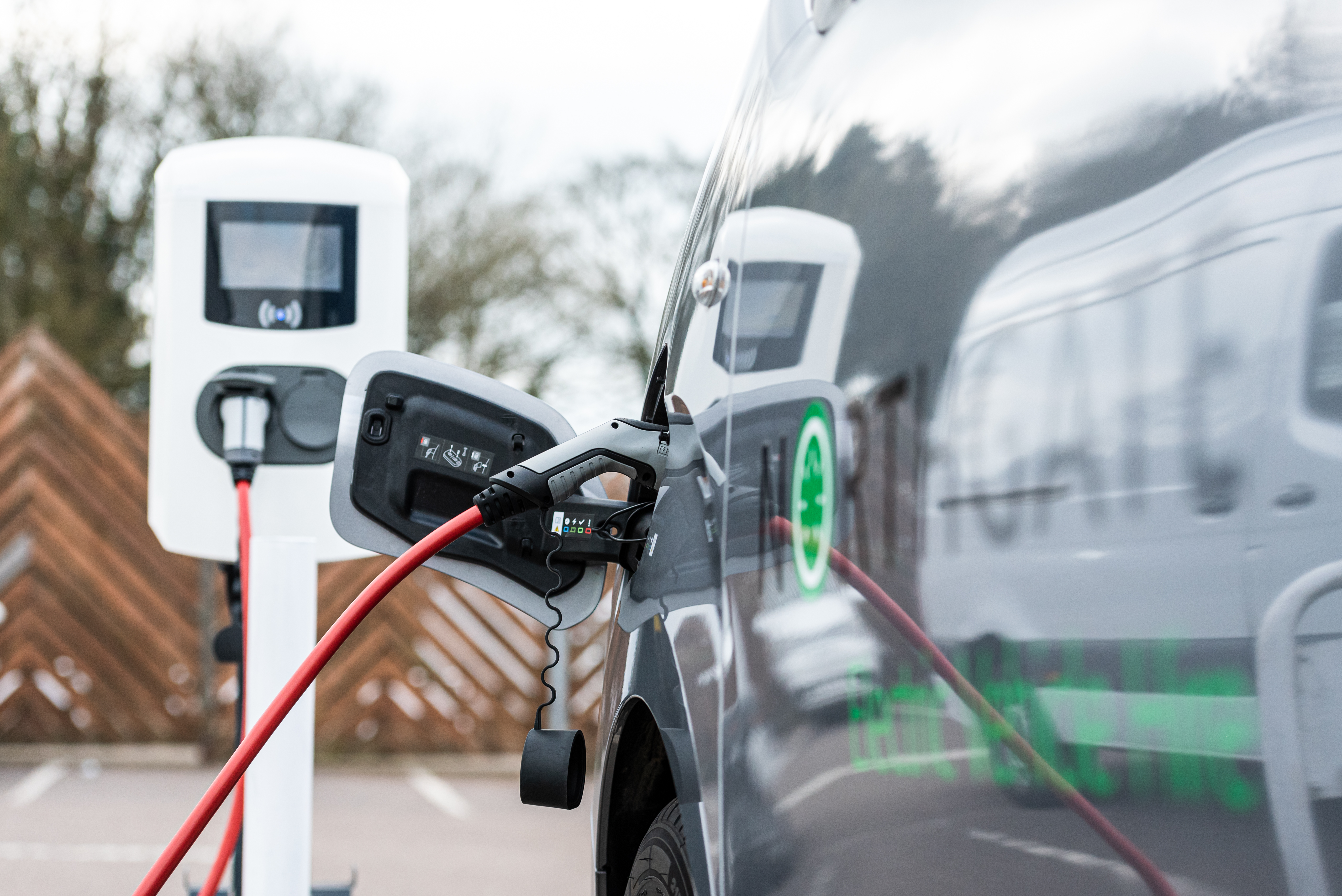
Reviewing vehicle types and considering alternative fuel options can also reduce fleet management costs. Electric and hybrid vehicles may offer lower running costs and support sustainability goals. Regular audits and benchmarking against industry standards help identify inefficiencies and highlight opportunities for fleet management cost savings. Optimisation supports better use of assets and a more controlled fleet management cost per vehicle.
Additionally, exploring alternative fuel options, such as electric or hybrid vehicles, can not only help reduce fuel costs but it also helps lower your environmental impact.

Telematics and Fleet Technology
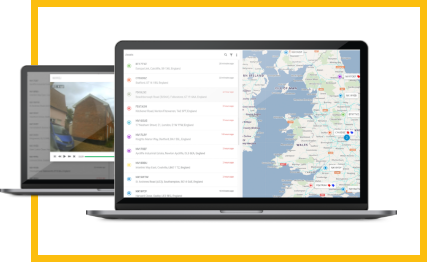
Fleet technology plays a vital role in modern fleet cost management. Telematics provides real time data that supports smarter decisions and more accurate fleet management cost analysis. Access to live vehicle data allows businesses to monitor fuel use, vehicle health and driver behaviour all in one place.
Our telematics solutions help improve route planning, reduce fuel use and support safer driving. Vehicle cameras provide clear footage in the event of incidents, helping resolve claims quickly and fairly. Fewer accidents can also lead to lower insurance premiums, further reducing fleet management costs.
With a wide installation network across the UK, telematics can be fitted with minimal disruption. This technology supports cost effective fleet management while improving visibility, control and long term savings.
Fleet Policy and Compliance
Fleet policies provide a structured framework for fleet operations management with clear guidelines on fuel efficiency, preventive maintenance schedules, driver behaviour, and vehicle acquisition. An effective policy establishes rules for vehicle utilisation, maintenance standards, and lifecycle management, to minimise unexpected expenses and reduce the risk of accidents and associated costs.
Additionally, well-defined policies foster accountability and compliance among drivers and staff, ensuring that the fleet operates within budgetary constraints and aligns with strategic cost-control objectives.
Northgate fleet compliance guide
Our FREE downloadable guide makes fleet compliance simple, saving you the time, effort, and headache.

Further reading and news for our blog
Get up to date with the latest industry news, advice and insights.


Get in Touch


